Watch: Tomato Triage
A short, calming walk through the garden — same checklist, but spoken out loud so you can watch it on your porch at dusk. Captions on.
Before you start
Grab a notebook and a pencil. Write down what you see: which leaves, which stems, which fruit. Take a breath. We’ll go one thing at a time.
Symptom checklist
Yellowing lower leaves
If the bottom leaves are yellow and crisp, it’s often just age. If they’re yellow with green veins, it could be a nutrient issue. Check your soil pH—tomatoes like it slightly acidic, around 6.2 to 6.8.
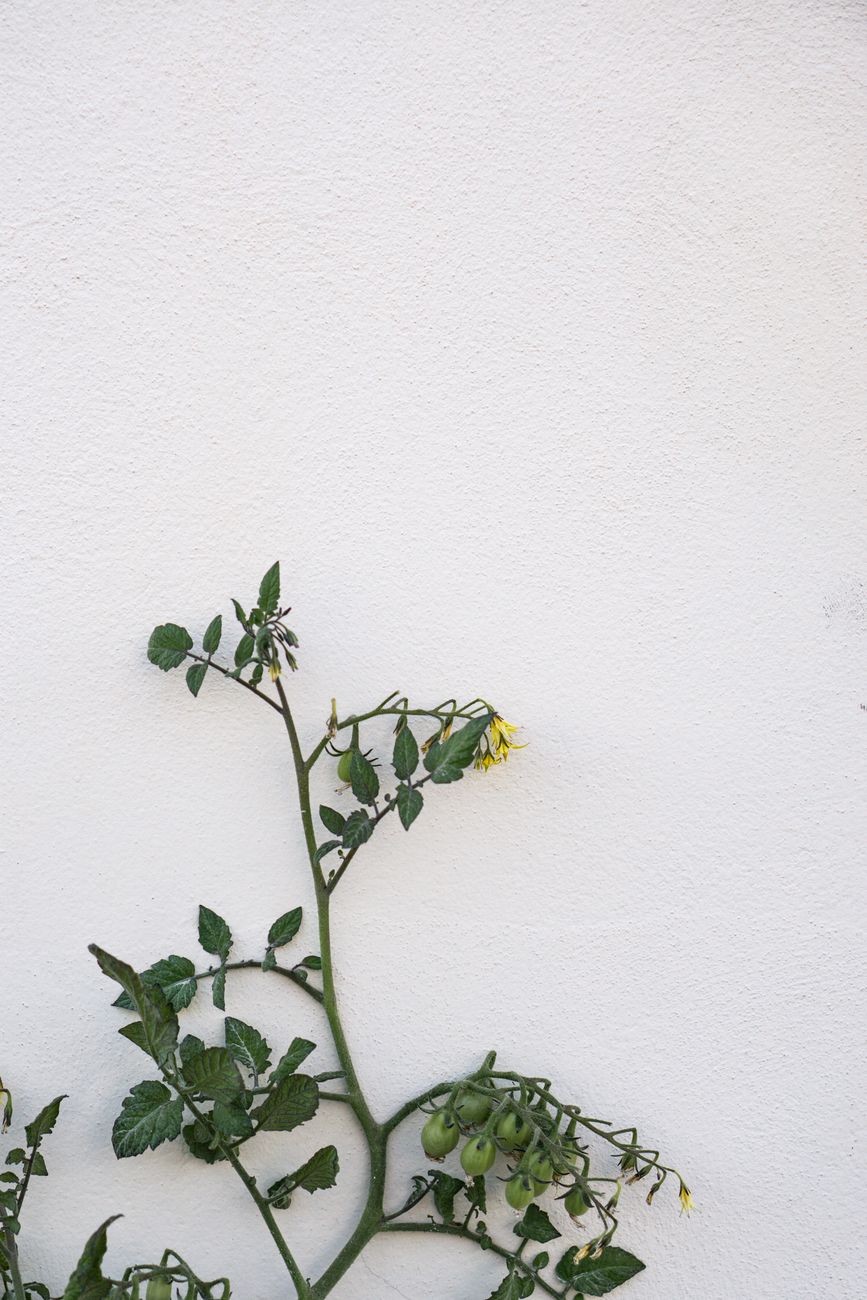
Spots on leaves
Small brown spots with yellow halos? That’s early blight. Remove the affected leaves and make sure your plants have good air flow. A little pruning can help, but don’t overdo it—tomatoes need their leaves to make sugar.

Blossom drop
If your flowers are falling off before they set fruit, it’s usually a temperature issue. Tomatoes don’t like it too hot or too cold. If nights are below 55°F or days are above 90°F, they’ll drop their blossoms. Be patient—it’s not you, it’s the weather.

Cracking fruit
If your tomatoes are cracking, it’s usually because they’re getting uneven water. Try to keep the soil evenly moist. A layer of mulch can help keep the moisture consistent.

When to call for backup
If you’ve tried everything and your plants are still struggling, don’t hesitate to reach out to your local extension office. They’re like the call-center agents of the gardening world—patient, knowledgeable, and there to help.
Neighbors teaching with their hands
Gardens and kitchens share the same lesson: small daily rhythms turn into something you can share. Angeline Thomas keeps a three-year sourdough starter on the same patient schedule — feed, watch for bubbles, wait. It’s the same heart as waiting on a tomato to turn:
And for pushing pencils-and-paint into tiny hands, Alison Wood folds watercolor into teaching the world around us: